
80s
Chinese scientists develop ‘brain-reading’ AI model to help predict depression risk, may inspire future emotional-perception humanoids_我的网站

A | 多元文化交融,是新加坡的一张独特“名片”。

B | 在这片土地上,华人占了总人口的74.1%,而每当不同种族的人们聚在一起,他们的语言就像调色盘上的色彩,相互渗透,于是 “新加坡式华语”便在这样的环境中孕育而成。

C |
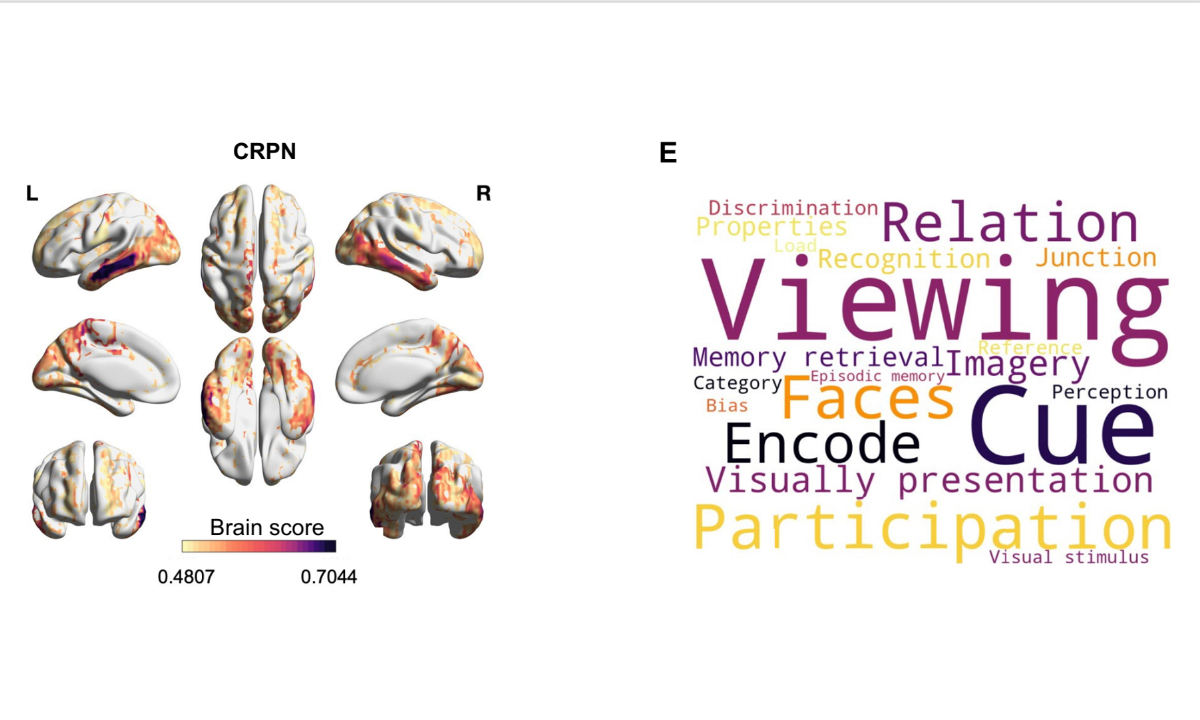
Chinese scientists have developed a “brain-reading” AI model that could help predict the risk of depression among adolescents up to four years in advance by analyzing how humans respond to facial expressions, a technology expected to inspire future development of embodied intelligent humanoids capable of perceiving human emotion and thoughts through nuanced facial cues.
WHO data show that around 332 million people worldwide have depression, about one-third of whom have treatment-resistant forms of the condition. In China, an estimated 95 million people suffer from depression, National Business Daily reported, citing statistics from the China Mental Health Survey.
Using data from a population-based longitudinal adolescent cohort recruited across several European countries, the research team led by Lu Han, assistant professor at the School of Artificial Intelligence, Shenzhen University, has built an AI model that predicted which 19-year-olds were more likely to develop depression at the age of 23. The predictions were backed up by an independent clinical cohort of individuals with depression. The team’s paper was published in the journal Science Advances this month.
According to Lu, the study used brain scans taken at age 19 to predict depression-related symptoms at age 23. The study focuses on adolescence because the transition from adolescence to early adulthood is a key developmental period when depressive symptoms can increase rapidly. The earlier risks are identified, the greater the opportunity for prevention, Lu told the Global Times on Monday, adding that the findings need to be further validated in middle-aged and older adults and across different ethnic groups in future research.
In this study, the researchers analyzed data from adolescents in the IMAGEN, a population-based longitudinal cohort recruited across several European countries. At age 19, participants underwent an fMRI emotional-face task, and their emotional symptoms were assessed using standardized questionnaires. Genetic data obtained from blood samples were also analyzed, and participants were followed up at age 23. The researchers examined whether neural representations of angry faces at age 19 were associated with emotional symptoms and could predict elevated emotional symptoms four years later.
According to Lu, people without depression can more easily distinguish emotional changes based on others’ facial expressions and respond accordingly – for example, responding with friendliness to a smiling expression. But people with depression cannot do this, and are more likely to assume people are angry with them.
A brain-aligned deep-learning model developed by Lu’s team suggested that those participants whose brains were less able to distinguish between different facial emotions and tended to perceive others as angry were more likely to develop symptoms of depression and anxiety in adulthood.
The hypothesis that adolescents at risk of depression may respond differently to other people’s facial expressions than those without such risk based on the negative information processing bias long observed in depression research: people at risk of depression are more likely to notice, interpret, or remember negative social information, Lu said.
The researchers focused on angry facial expressions because they signal social threat and rejection, which are closely linked to interpersonal difficulties and negativity bias associated with depression. They hope to further understand how this bias develops within the visual system.
Building on this, they created a deep learning model, which mimics how the brain processes visual information, to predict how the brain encodes abstract emotional concepts such as anger.
They found that 19-year-olds whose response to facial expressions was skewed in favour of negative emotions or memories were the most likely to develop some form of depression.
Based on these findings, Lu’s team then developed a marker that can identify possible warning signs.
According to Lu, the study found that the computational biomarker was linked to the depression-related variant rs11123030 and polygenic risk for depression, suggesting that genetic susceptibility may affect emotional perception. It also provided predictive information beyond family stress and socioeconomic factors, complementing rather than replacing environmental risk factors. Therefore, depression is neither purely genetic nor purely psychological, but a complex mental disorder arising from the interplay of genetic susceptibility, brain development, emotional and cognitive processes, and life experiences.
According to Lu, the study is also expected to advance AI by aligning deep neural networks with human brain activity and using parameter perturbations to probe neural mechanisms, allowing models to both predict and explain how biases may arise.
The findings suggest that future affective computing and embodied AI should go beyond simply labeling facial expressions, incorporating visual details while preventing prior assumptions from overriding real-time sensory input, Lu said, adding that the findings could provide valuable insights for developing more interpretable robotic perception systems that more closely emulate the way humans process emotions.
。你有没有想过,这种融合了多种文化元素的华语,是如何演变而来的?你是否也在日常生活中,听到过一些既亲切又新奇的词汇或短语?今天,我们就来聊聊“新加坡式华语”的那些事儿。(牛车水,新加坡唐人街,图源新加坡旅游局官网)英语、马来语、华族方言大融合?新加坡华语的“进化史”新加坡有四种官方语言,分别是华语、英语、马来语和泰米尔语。不同于中国的标准汉语,“新加坡式华语”它融合了英语、马来语以及丰富的华族方言元素,是一种有着独特魅力的汉语变体。历史的车轮滚滚向前,回溯至1819年新加坡开埠之初,这个自由港以其优越的地理位置,迅速崛起为东南亚的经济贸易中心。无数华人移民怀揣梦想,跨越重洋,在这片热土上安家落户。他们带来的不仅是勤劳与智慧,还有丰富多彩的方言文化——闽南话、粤语等,这些方言在早年的私塾中回响,成为学子们交流的桥梁。随着时间的推移,华人的方言、华语、马来语、殖民者的英语在这片土地上交织在一起,彼此影响,相互渗透,孕育出了一系列新颖独特的词汇。它不拘一格,吸收并融合了英语、闽粤方言乃至马来语的词汇和表达方式,形成了既“接地气”又富有创意的语言风格。在日常生活中,新加坡人习惯性地使用这种汉英混合、夹杂方言和马来语的口语化华语,它不仅便于交流,更体现了新加坡人开放包容、勇于创新的精神风貌。这几句生活中的新加坡式华语你一定要知道!在新加坡的日常生活中,地道的新加坡式华语表达无处不在,它们或幽默诙谐,或生动形象,为生活增添了许多乐趣。01 新加坡的菜市场—“巴刹”“巴刹”是马来语中的pasar的音译,意思是市场、市集。在新加坡“巴刹”里,色彩斑斓的蔬果,香气四溢的小吃摊位,共同编织出一幅幅生动的市井生活画卷。02 “吃还是包”在繁忙的食阁里,当你点完一份香气扑鼻的鸡饭,可能会被问及:“吃还是包?”简单一问,实则是在询问你是打算“就地享用”,还是“打包带走”。

D | 如果选择“包”,别忘了准备一点额外的零钱(0.3—0.5新币)作为打包费哦。

E | 03 “水草”是植物吗?夏日炎炎,当我们买完冰凉的饮料,一般都会配上一根“水草”。这里的水草可不是植物,指的是“吸管”。这是因为吸管的英文是straw,而straw又有水草的意思,因此吸管在新加坡,便有了“水草”的别称。04 “烧水”,是一个名词?烧水,在新加坡可不是动词,而是指“热水”。

F | “烧”来自于福建话的“sio”,意思为“热”。如果在食阁买饭时,听到有人大喊:“后面烧!”这证明一杯热气腾腾的咖啡或茶水正在向你靠近,要记得小心避让。05 亲切的“安哥安娣”走在街头巷尾,你常常会听到“安哥”、“安娣”的亲切呼唤。这组词汇由英文中的auntie、uncle音译而来,是新加坡人对年长者的称呼。06 职场小词典:做工、放工、花红在新加坡,“做工”即工作,“放工”则是下班的代名词。有时,你可能会听到有人抱怨“做工到很晚”,短短几个字便透露出工作的辛劳和不易。

G | 但努力总是有回报的,“花红”则指的是津贴或奖金,它是公司对员工辛勤付出的奖励,是职场中的小确幸。07 骗话?其实是谎话“骗话”二字,听起来有些俏皮,实则指的是谎话。当你听到朋友说:“他讲的都是骗话,不要信!”这句话的意思是提醒你不要相信那个人说的谎言。08 “青菜”不是蔬菜在新加坡,如果听到别人说“青菜”,可别误会人家在谈论餐桌上的清新时蔬。这是源自福建话的一句地道俚语,意思为“我都可以”。简短的“青菜”,透露出一种随和、不挑剔的生活态度。充满乐趣的新加坡式华语远远不止于此,如果想要了解更多,欢迎查阅新加坡推广华语理事会(Promote Mandarin Council)的新加坡华语资料库。深入品味新加坡式华语的独特韵味,你会发现,它不仅仅是语言的艺术,更是多元文化和谐共生的生动写照。从街头巷尾的交谈,到各大文化节庆的庆典,文化交融的浪潮无时无刻不在滋养着新加坡的每一个角落。

H | 正是这种文化的多元性与包容性,赋予了这座城市独特的魅力,使之成为许多人梦寐以求的宜居之地。当来自五湖四海的人们选择在新加坡这片热土上筑梦时,城市发展集团(City Developments Limited,简称CDL)以其卓越的房产项目,为每一位居民精心打造了一个个温馨舒适、和谐共融的居住空间。在这里,无论您来自何方,都能找到归属感,共同编织属于自己的美好生活篇章。

I | 莉丰嘉园(Tembusu Grand)CDL和MCL地产(MCL Land)携手打造的项目莉丰嘉园坐落于迷人的丹戎加东和东海岸地区,以其现代化的设计和丰富的设施而闻名,旨在为业主打造一个舒适且便利的居住环境。项目地理位置优越,距离中央商务区和滨海湾金沙仅10分钟车程。步行8分钟即可到达丹戎加东地铁站(Tanjong Katong MRT Station)。同时周边还有众多娱乐设施,学校、餐馆、商场等场所也近在咫尺。(莉丰嘉园设计效果图)莉丰嘉园目前还有1-卧室+书房至5-卧室单位,以及两户顶层单位可供业主选择。秘林嘉园(The Myst)秘林嘉园位于新加坡武吉知马路上段宜人的绿色景区内,巧妙融合了周遭自然风光,又满足业主的都市生活需求。从项目出发,步行约5分钟即可到达凯秀地铁站(Cashew MRT),前往全岛各地都十分便利。置身项目内,业主随时随地都能感觉置身于绿色丛林中,舒适惬意,私密性满满,周围环绕着热带绿植、自然公园和水库,对业主来说是绝佳的居住体验。

J | 此外,秘林嘉园所有户型单位都配有知名家电品牌和智能家居系统,业主还能享受到周到贴心的住户礼宾服务。秘林嘉园目前还有1-卧室+书房、2-卧室至5-卧室等单位可供业主选择。(秘林嘉园项目设计效果图)对上述项目感兴趣?欢迎扫描下方二维码咨询!。
Current article:http://ph5.guaxiazaopinduan.cfd/9tqga/20260826/2374823.html
Published on:00:00:00
相关新闻
最后更新
- Peddi: Ram Charan Wraps Up Delhi Schedule
- 2024中关村论坛“京港科技创新论坛” 暨第七届“京港青创杯”创业大赛北京选拔赛在京举办
- 准备好!接下来九周,1号高速此段大封路!
- 美国运营商被指控向第三方出售位置信息:每人4.95美元
- 探索“住创一体”运营模式 才景和府入选省级青年安居试点
- 火箭G1不敌勇士后系列赛晋级概率下跌16个点 来到22%
- 荣耀林林官宣 WIN 小平板将至,爆料为 8 英寸超高刷窄边框 OLED + 骁龙 8 Elite 系旗舰处理器
- 世界女排联赛总决赛八强产生 中国队将遭遇意大利
- 名记:看好雷霆新赛季突破60胜 杰威的健康是关键
- 尚品宅配发布半年报:AI智能化与具身智能双线布局,加速战略跃迁
热门新闻
- China's longest offshore steel trestle bridge completed in Dalian
- 2025年京东618什么时候买最便宜,天猫京东618红包口令在哪里领取呢?
- PriceSeek提醒:陕煤榆林化学聚酯级乙二醇出厂价下调200元/吨
- 市数据局:以决战决胜姿态全力攻坚冲刺
- 36岁张帅WTA500斯图加特站获女双亚军,重返女双世界前十
- 苹果新款 Mac mini 可连接三台显示器,但不同处理器的多显示器最高分辨率有区别
- 兴城房地产展示交易会成交额9000万元
- 即梦AI推出影视内容厂牌“即梦片场”
- 增重9公斤!76人总经理:埃奇库姆目前身体非常壮实 新赛季入选全明星也不意外
- 不愧是费多罗夫,两个问题如同“尖刀”,泽连斯基的回应苍白无力!,兵器观察员,原创 不愧是费多罗夫,两个问题如同“尖刀”,泽连斯基的回应苍白无力!